

From pre-natal to post-natal, your body goes through many different changes which allow you to grow, carry and eventually deliver your baby. These changes may be physical (like the expansion of your uterus and abdominal wall) or hormonal (like the drastic increase in your estrogen levels during pregnancy) and while they may only be temporary, sometimes they can cause pain and limit how well you can move and function.
Why might I see a physiotherapist during my pregnancy?
It's very common for pregnant women to see a physiotherapist from as early as their 1st trimester right up until delivery. There's many reasons why physio can be beneficial during pregnancy, such as:
- Assessment and treatment of pregnancy related, or non-pregnancy related musculoskeletal pain.
- Professional opinion and guidance on safe exercise during your pregnancy.
- To learn and practise pelvic floor exercises under professional guidance.1
- Assessment and management of incontinence.
Why might I see a physiotherapist after pregnancy?
Pregnancy and giving birth understandably puts lots of strain on your body, meaning once baby is here, you need plenty of physical rest and recovery. It’s very important to give yourself the time to heal, be patient and don’t rush back into activity before you are ready.
Often new mums will see a physio in the few days following birth, whether they had a natural delivery or a caesarean. During the visit, a physio might:
- Teach you safe ways to get in and out of bed to avoid straining your body while you heal and to help you with pain management.
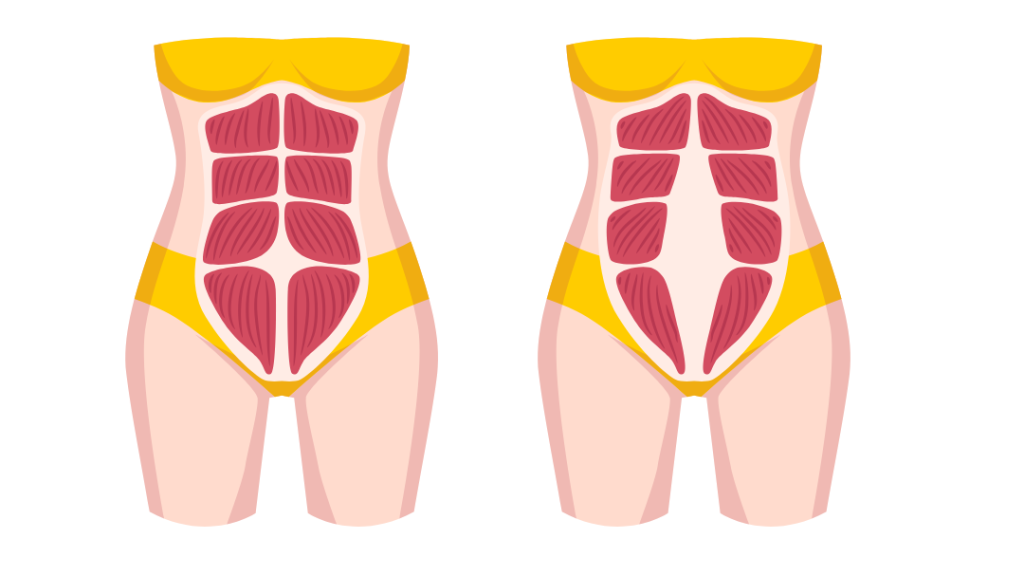
- Assess your abdominal muscles for separation (diastasis) and teach you very gentle core exercises to get you started.
- Provide bladder and bowel education and teach you toileting strategies to avoid strain or help manage incontinence.
- Give advice on support wear to promote recovery.
- Teach and prescribe pelvic floor exercises to begin strengthening your muscles.2
- Inform recovery timelines and outline a graded return to activity.
What does recovery after pregnancy/birth look like?
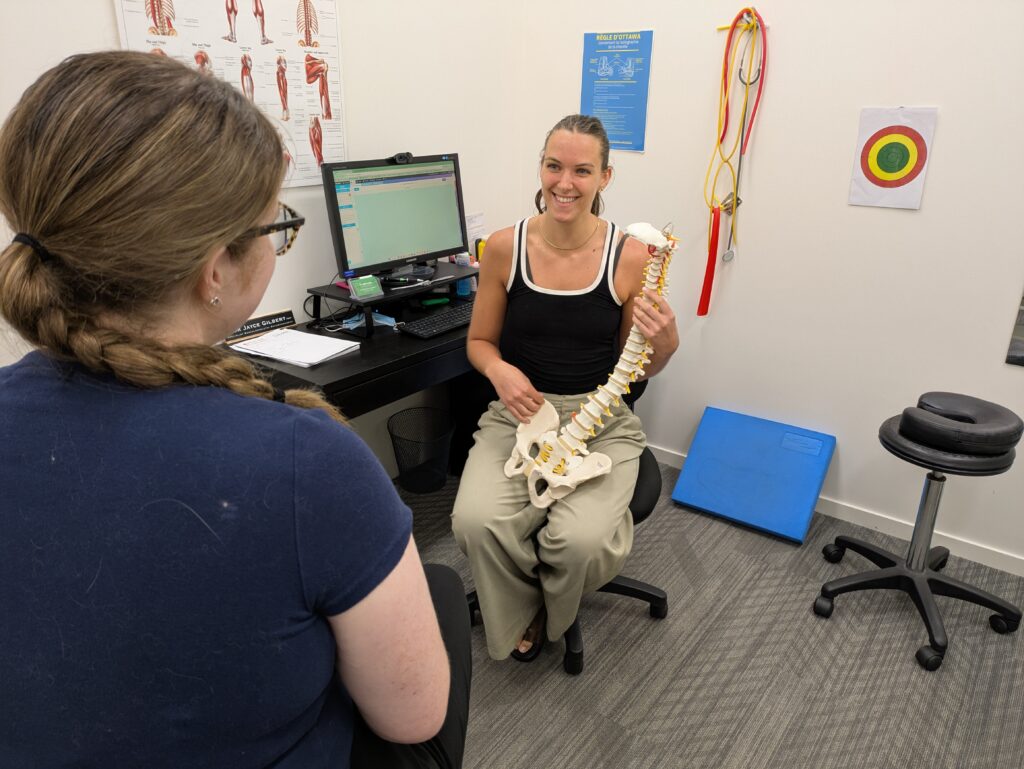
Your recovery from pregnancy and birth can be influenced by a variety of factors, like how active you were during your pregnancy or if you had any complications during your delivery - this is why everyone’s recovery journey can look completely different. It's important to follow the advice from your health professional which is specifically tailored to you and your needs.
Sometimes it can be helpful to have an idea of what it is you're wanting to get back to, this way your health professional can tailor your rehabilitation to meet your needs.
Below is a general guide of what you may expect your recovery and return to exercise to look like.
| Week | General movement guide |
| 0-2 | Rest and recovery. Start gentle abdominal exercises and pelvic floor activation. Short walks for cardiovascular exercise. Modified movements to avoid over strain. |
| 2-4 | Progress abdominal and pelvic floor exercises if appropriate.3 Increase walking tolerance gradually. Begin low-impact, functional exercises ie. sit-to-stand, glute bridges. |
| 4-6 | Further progression of exercises. Continue to build cardiovascular endurance by increasing your walking duration and/or distance (keep your efforts at a low intensity). |
| 6-8 | Six week post-natal check-up: your doctor will likely provide you clearance to progress your exercise and rehabilitation. This may include introduction of resistance exercises, clinical Pilates or yoga, cycling (if comfortable). If you are eager to return to swimming, it is important to check with your doctor or obstetrician first to ensure adequate wound healing. |
| 8-12 | Build exercise intensity as your body allows. Progression of core stability and pelvic floor exercises to include full body movements. Start to introduce moderate-impact exercise ie. step ups. |
| 12+ | Begin a graded return to high impact exercises if desired (ie. running or jumping), best completed under the guidance of a health professional. If you are experiencing any continence issues or pain during this period, it is important to address your concerns as soon as possible. |
What are some common pregnancy-related musculoskeletal conditions?
Musculoskeletal symptoms of pregnancy can be different for everyone. While some mums may have none at all, other mums may have many, which can make day-day tasks extremely challenging! Though some symptoms may not completely resolve until after pregnancy, there are many ways physio can help you to manage. Some common reported symptoms/conditions include:4
- Lower back pain
- Pelvic girdle pain
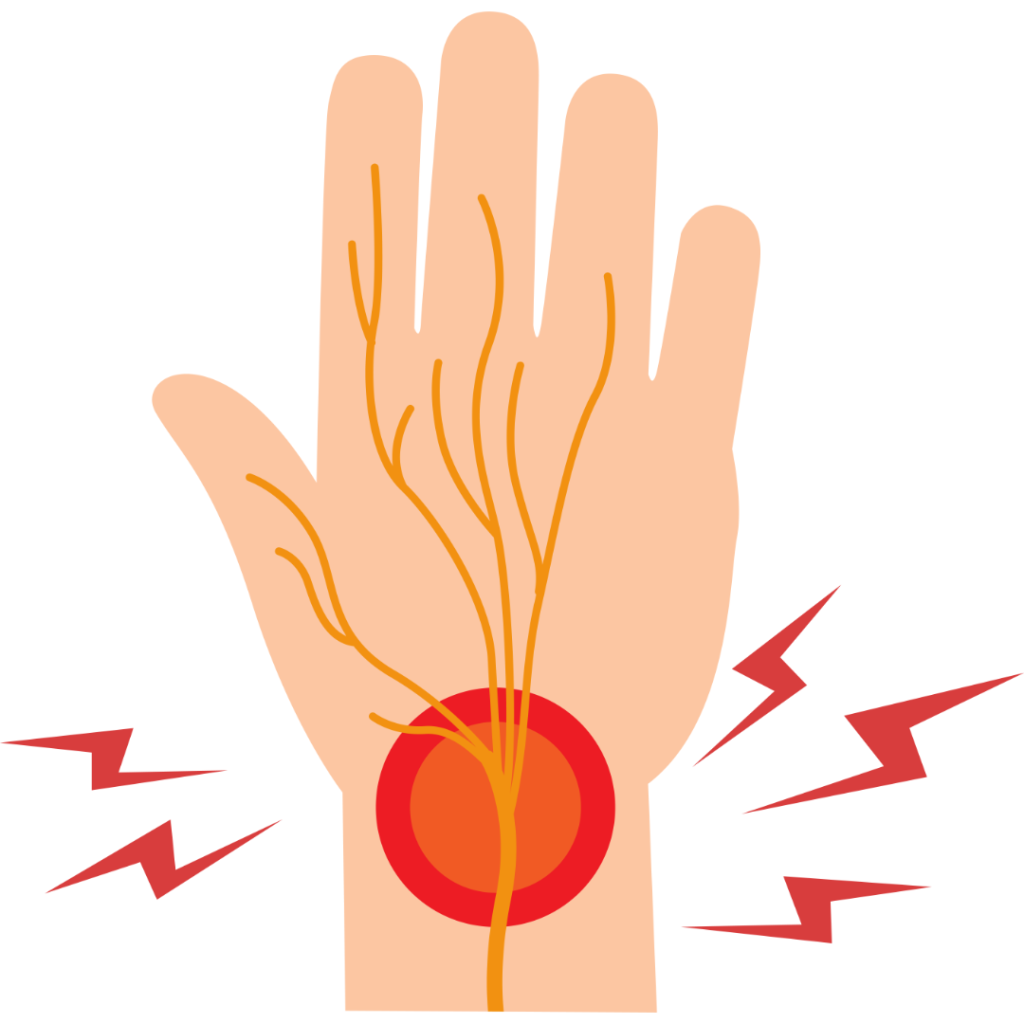
- Carpal tunnel 5
- Abdominal separation
- Pelvic floor dysfunction

What might physiotherapy treatment involve?
Physios will use a range of treatments depending on the type of condition and the patients needs and wishes. Below is a short list of physio treatments for new mums.
- Education- about the condition, prognosis, and various treatment options available.
- Manual therapy- if indicated may include soft tissue massage, lymphatic drainage techniques, nerve sliding or joint mobilisation.
- Exercise therapy- to address any relevant impairments which may be causing or contributing to pain.
- Splinting and/or additional support wear recommendations for symptom management.
- Advice and guidance- about safe exercises, toileting strategies and pain management for example.
- Application and prescription of TENS (Transcutaneous Electrical Nerve Stimulation) for pregnancy and labour.
Pregnancy, birth and all that follows can be overwhelming and challenging to navigate, don’t hesitate to get help if and when you need it.
Click here to book now with our experienced physio Isabelle Stokie.