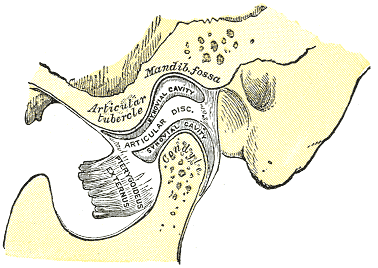


We mostly think of temporomandibular disorders (TMD) as simply a problem with the jaw joint associated with clicking, locking, or painful chewing.
However, modern pain science shows that jaw pain is often part of a much bigger picture. Jaw issues link with nervous system, stress responses, sleep, breathing, and even gut health. Together, these systems influence how sensitive the body becomes to pain.
At Peak MSK Physio, physiotherapy for TMD is based on modern pain science and musculoskeletal rehabilitation principles. When treatment is delivered using these approaches, it can do much more than improve jaw movement. It can help calm the nervous system, reduce widespread pain sensitivity, and support overall health and wellbeing.If you are searching online for physiotherapy for jaw pain, TMJ treatment, or TMD physiotherapy, understanding this broader picture is an important first step.
Understanding TMD Through Pain Neuroscience
Pain does not come only from a joint or muscle problem. Pain is the nervous system's response when it believes the body may be under threat or injured and can sometimes occur even when tissues are not seriously injured.
In the early stages of temporomandibular joint (TMJ) disorders, pain may relate more directly to irritation in the jaw joint or surrounding muscles. However, when symptoms persist, the nervous system can become sensitised.
Sensitisation means the system becomes more reactive and protective than necessary. This helps explain why people with persistent TMD or TMJ pain often experience other sources of pain that they may not initially think is related.
| Sensitisation Examples 👉 | Other Pain Sources Examples 🙍 |
| Jaw muscles becoming more tense and easily activated The trigeminal nerve, which supplies the face and jaw, becoming more sensitive The brain amplifying danger signals Pain spreading beyond the original problem area | Headaches Neck pain Ear symptoms Facial sensitivity Poor sleep Fatigue |
In some people, TMD becomes part of a broader pattern of central sensitisation, where the nervous system becomes more sensitive overall. Similar patterns can occur in conditions such as fibromyalgia, chronic headaches, and persistent spinal pain.
The Jaw Is Linked to the Whole Body
The jaw does not function in isolation. It shares important connections with many systems in the body, including:
- The upper cervical spine (neck)
- The trigeminal nerve system
- The autonomic nervous system, which controls stress responses
- Breathing patterns
- Sleep regulation
- Oral and gut health
- Facial expression and emotional communication
Researchers are now describing something called the gut–brain–jaw axis (1) .
This concept explains how the digestive system, immune system, brain, and trigeminal nerve network communicate with each other.
Bacteria in the gut produce chemical signals that co-influence the nervous system, including:
- Short-chain fatty acids
- GABA, a calming neurotransmitter
- Serotonin, which helps regulate mood and pain
These signals can influence how sensitive pain pathways react, including those supplying the jaw and face.
When gut bacteria become imbalanced (a state known as dysbiosis), research suggests this may:
- increase inflammation in the temporomandibular joint
- increase trigeminal nerve sensitivity
- amplify pain responses
This may help explain why some people with jaw pain, TMJ dysfunction, or TMD also experience headaches, fatigue, digestive symptoms, or other chronic pain conditions (2).
Oral Health and Jaw Pain
Inflammation or irritation within the mouth can also influence jaw pain.
Examples include:
- gum disease
- tooth grinding or clenching
- muscle overload related to stress
These factors can stimulate trigeminal nerve pathways that connect directly to pain centres in the brainstem.
When the nervous system is already sensitised, even small stresses on the jaw — such as chewing soft foods — may continue to trigger pain in the jaw, neck, or head.
This is one reason why effective physiotherapy for TMD looks beyond the jaw joint alone.
How Physiotherapy for TMD Helps Calm the Nervous System
Modern TMJ physiotherapy focuses on restoring control, confidence, and safety in the nervous system rather than simply trying to “recalibrate” your jaw movement.
At Peak MSK Physio, TMD management often includes several key strategies.
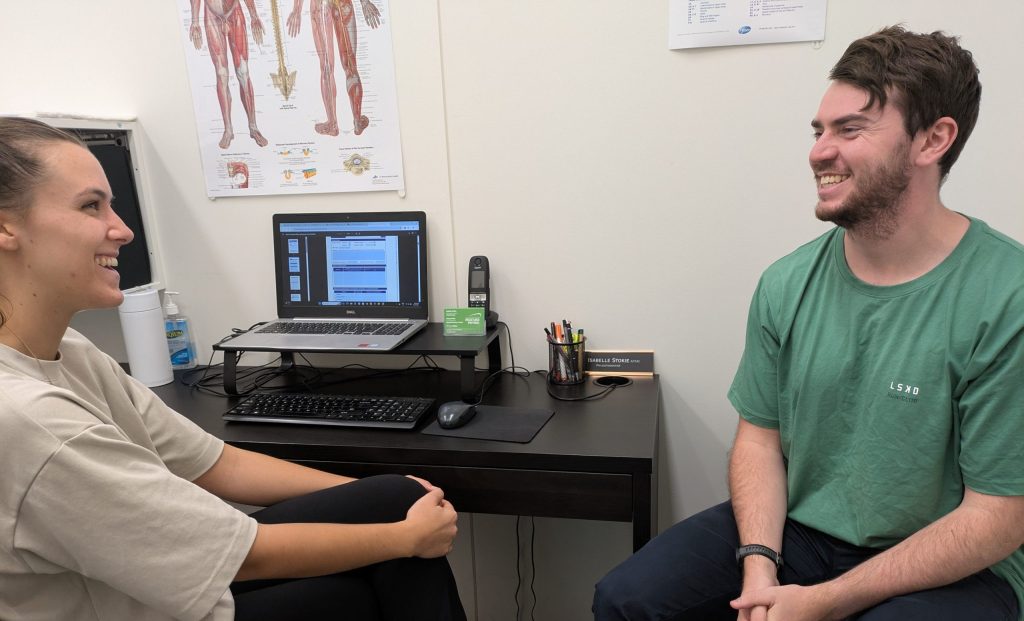
1. Pain Education
Understanding how pain works can reduce fear and threat.
When people learn that pain does not always mean damage, the nervous system can begin to reduce its protective response.
This often leads to:
- less muscle guarding
- reduced clenching
- greater confidence with jaw movement
- improved body awareness
- fewer pain flare-ups
2. Graded Jaw Movement
Gentle and progressive exercises help retrain jaw movement safely.
These exercises gradually improve:
- jaw control
- coordination
- muscle endurance
Graded movement helps both the brain and the peripheral nerves become less protective over time.
3. Addressing Neck Contributions
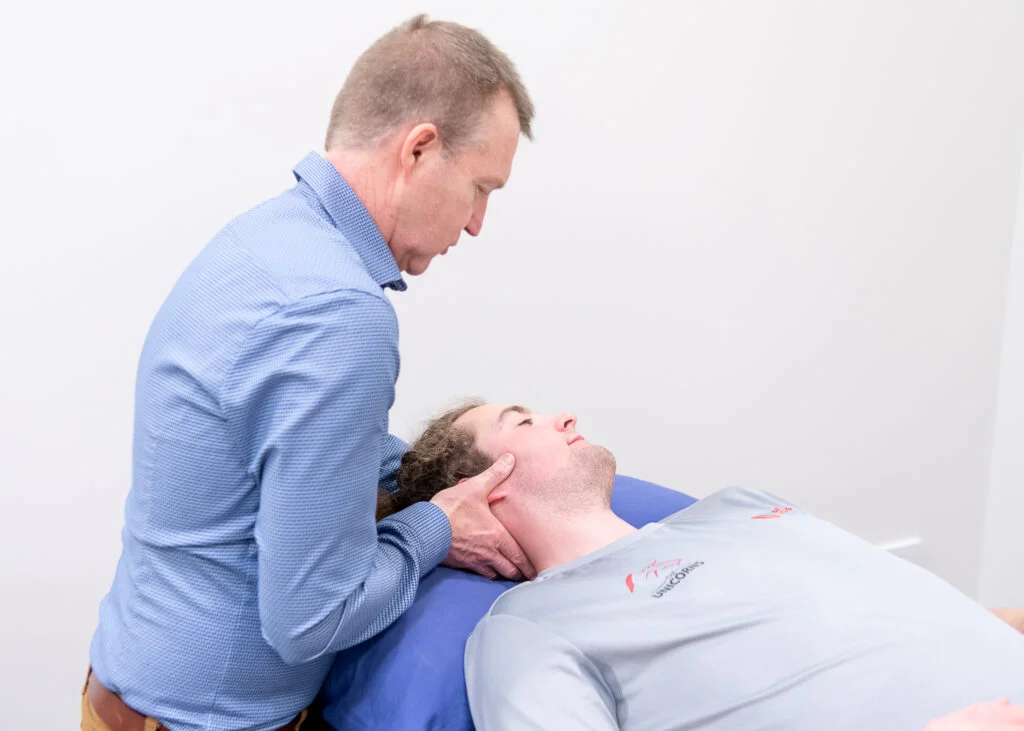
The upper neck and jaw are strongly connected through shared neural pathways (3).
| Improve ⬆️ | To Reduce ⬇️ |
| Cervical mobility, endurance and motor control | Jaw pain, headaches and facial tension. |
This is why neck assessment and treatment are an important part of TMJ physiotherapy.
4. Breathing and Stress Regulation
Many people with persistent jaw pain develop upper chest breathing patterns and increased stress responses.
Physiotherapy can help restore diaphragmatic breathing, which may:
- calm the nervous system
- reduce muscle tension
- improve sleep
- decrease pain sensitivity
5. Sleep and Lifestyle Support
Sleep plays a major role in pain regulation.
Poor sleep can make the nervous system more reactive and increase pain sensitivity.
Supporting healthy sleep habits and balanced activity levels can gradually help reduce central sensitisation.
6. Facial Expression and Communication
Jaw pain can sometimes affect facial movement and expression which I have written about here (4).
When facial muscles become tense or painful, it may affect how we communicate emotions and read the expressions of others. Restoring comfortable facial movement can therefore improve both function and confidence in social interactions.
Why Treating TMD Can Help Widespread Pain
The trigeminal nerve system is one of the most influential sensory systems in the body. When it becomes sensitised, it can affect pain processing in the brainstem and other parts of the nervous system.
By reducing jaw-related threat signals, physiotherapy for TMD may help:
- reduce headache frequency
- improve neck pain
- lower brainstem sensitivity
- improve tolerance to daily stress
- support the body’s natural pain-modulating systems
For some people, improving TMJ dysfunction can reduce symptoms far beyond the jaw itself.
A Whole-Person Approach to TMD Treatment
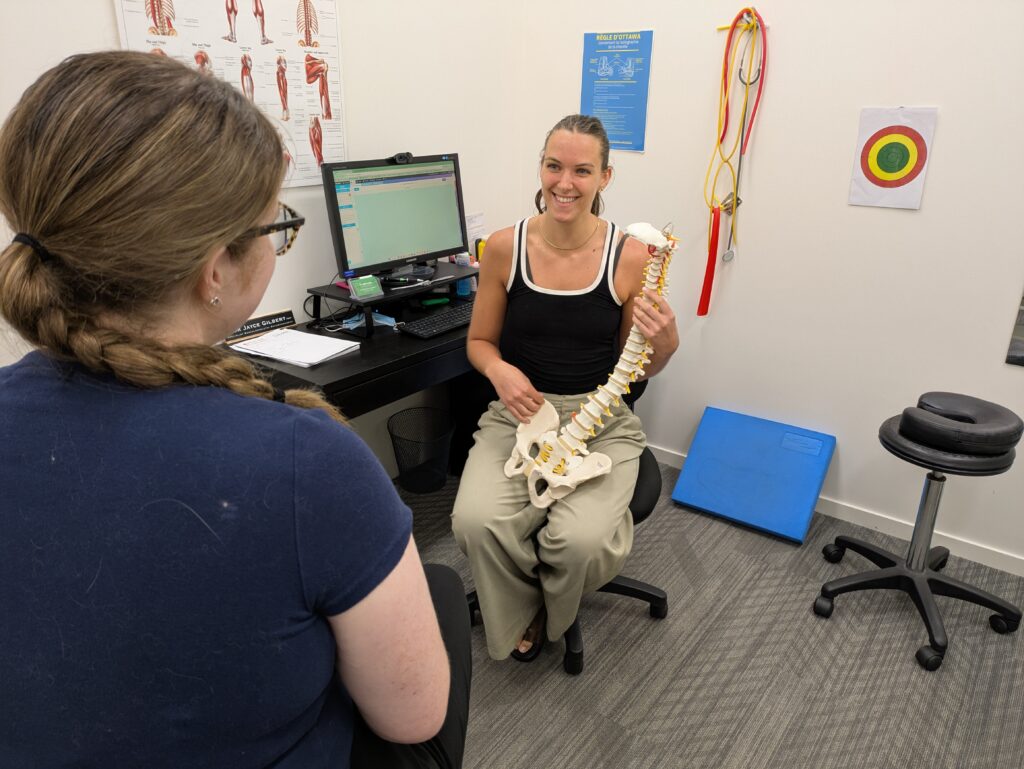
Effective TMD physiotherapy treatment uses a whole-person approach.
This may include:
- pain neuroscience education
- gentle progressive exercises
- cervical spine assessment
- breathing retraining
- sleep and stress discussion
- collaboration with dentists or GPs when needed
This approach moves away from the idea that jaw pain is always caused by a “misaligned” joint.
Instead, it recognises that the nervous system may have become overly protective.
When this protective response reduces, pain often reduces as well.
What This Means for Your Overall Health
Treating TMD effectively can have wider benefits.
| Treatment Outcomes 🎖️ | How? 🤔 |
| Improved jaw functionFewer headachesBetter neck movementImproved sleepReduced muscle tensionGreater confidence with eating and speaking | When the nervous system begins to feel safer, the whole body can function more comfortably. |
TMD Physiotherapy in Melbourne
If you are experiencing jaw pain, TMJ clicking, headaches, or facial tension, physiotherapy assessment can help determine whether temporomandibular disorder (TMD) may be contributing to your symptoms.
Key Message
TMD is not just a jaw problem. It often involves the nervous system and connections between the jaw, neck, brain, and other body systems.
Physiotherapy that addresses education, movement, breathing, cervical function, and lifestyle factors can help calm this system.
By reducing trigeminal sensitivity and restoring safety, TMD physiotherapy can contribute to broader pain management and improved overall health.
Your body is not broken. With the right support, it can become less protective and more resilient.