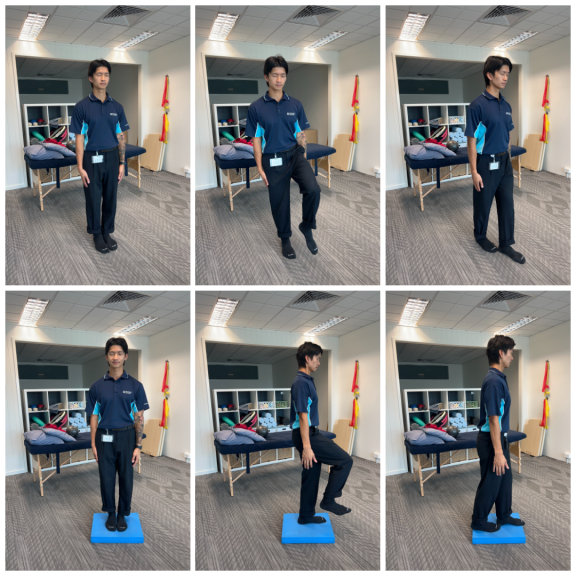


The term dizziness is an umbrella term used to describe many different feelings or body sensations. Dizziness can feel like you, or the environment around you, is spinning. It can also be used to describe feeling light headed or faint, or dissociated from your surroundings.
Sometimes the type of dizziness you feel can be related to the cause. For example, feeling light headed or faint is a common symptom of dehydration, and vertigo (the room spinning) can be a symptom of many vestibular conditions or even some medications. The tricky thing is, dizziness is extremely common, and there are many different causes — each with different treatments.
Different causes. Different diagnosis. Different solutions.
What Are the Possible Causes of Dizziness?
To put it simply, the causes of dizziness can be categorised into vestibular (the balance system) and non-vestibular causes.
Vestibular causes can be further categorised as either an inner ear problem (a peripheral cause) or a problem within the brain (a central cause).
| Peripheral Vestibular Disorders | Central Causes of Dizziness | Non-Vestibular Causes |
|---|---|---|
| Benign Paroxysmal Positional Vertigo (BPPV) | Vestibular migraines | Cardiovascular/ANS disorders (dysautonomia, heart arrhythmias, POTS, etc.) |
| Peripheral vestibulopathy (e.g. inner ear infection) | Cardiovascular events (e.g. stroke) | Side effects of medications |
| Meniere's disease | Neurodegenerative disorders (e.g. multiple sclerosis) | Psychological disorders (anxiety, panic disorders) |
| Superior canal dehiscence (aka Third Window Syndrome) | Concussion | PPPD (a type of functional neurological disorder) |
| Vestibular paroxysmia | Metabolic causes (low blood sugar, iron deficiency) | |
| …and several others | Seizures (epilepsy) |
Who Should I See About My Dizziness?
Because there are so many potential causes of dizziness, many different types of health professionals may be involved in treatment — which can make it hard to know who to see first. Most often, the best first point of call is your GP, particularly if you suspect your dizziness is a side effect of medication or a symptom of a previously diagnosed condition. Your GP can then direct you to the relevant health professional, which may include physiotherapy.
Physiotherapists can help narrow down the likely cause based on their assessment. If they determine there is a non-vestibular cause (such as a heart arrhythmia), they will refer you on as necessary. If they find a peripheral vestibular disorder — most commonly BPPV — physiotherapy is likely to be the appropriate treatment.

When Should I Be Worried About My Dizziness?
Dizziness is usually not a significant concern on its own, but in some instances it can indicate something more serious when paired with other symptoms. Seek immediate medical attention if you feel dizzy and:
- Have sudden hearing loss in one or both ears
- Have sudden onset of moderate to severe neck pain and/or headaches
- Have fainted or experienced loss of consciousness
- Are vomiting repeatedly
- Are unable to walk properly or carry out daily tasks due to dizziness
What Is the Treatment for Peripheral Vestibular Disorders?
Treatment will vary depending on the type of disorder. The most common is BPPV.
BPPV
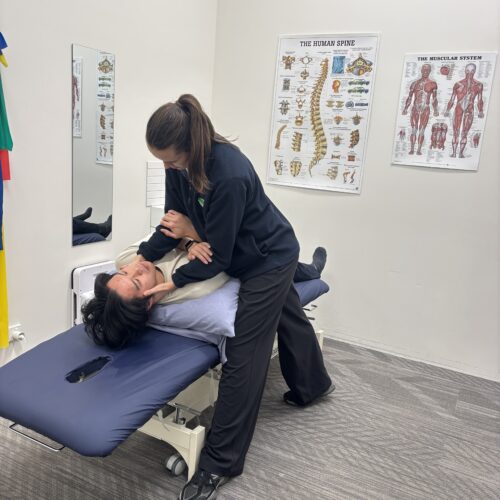
BPPV occurs when small crystals called otoconia are displaced within the canals of the inner ear. The inner ear is a complex system that provides feedback to the brain during movement to help maintain balance. When the crystals become dislodged, head movement causes them to shift, sending false signals to the brain — creating the illusion of spinning (vertigo).
With a series of positional tests, physiotherapists can determine which of the 3 semicircular canals is involved. Treatment involves a specific sequence of movements designed to reposition the crystals.
A single session may be sufficient, but treatment can sometimes need to be repeated depending on:
- How many canals are involved
- Your tolerance to treatment (it can cause nausea and fatigue)
- The complexity of your condition
Peripheral Vestibulopathy
Another common peripheral vestibular disorder is peripheral vestibulopathy, most often caused by an inner ear infection such as vestibular neuritis. An infection in one ear can create an imbalance in the vestibular system, as the affected ear communicates less effectively with the brain — causing significant vertigo and imbalance.
First-line treatment involves a course of steroids to target the infection, and medication may be prescribed to help settle nausea and dizziness. If dizziness persists following the infection, physiotherapy can help retrain the vestibular system and compensate for any loss of function.
How Do I Know If I'm Having a Vestibular Migraine?
Vestibular migraines are the most common cause of episodic vertigo, yet they are frequently missed because many people assume a headache is required for a migraine diagnosis — this is not the case. In a vestibular migraine attack, dizziness may be the primary symptom. Other symptoms can include:
- Sensitivity to light and/or sound
- Nausea
- Neck pain
- Visual changes
- Mild headache or no headache at all
Symptoms can last anywhere from 5 minutes to 72 hours and are often worse with physical activity. Because vestibular migraines can mimic many other disorders, if this is your first suspected attack, it is best to be assessed by a doctor or neurologist to rule out anything more serious.
Think You Need an Assessment?
Our friendly team of physiotherapists are trained to assess and treat dizziness. Call us on 03 9533 5305 or book online.